


 English
 Français

A properly prepared surface can keep a bonded joint performing for years; the same adhesive on a dirty or glossy surface can fail in weeks. Surface preparation is the single most decisive factor in adhesive bonding, yet it is also the step most often rushed or skipped.
Surface preparation for adhesive bonding is the process of cleaning, roughening, and chemically activating a substrate so the adhesive can spread evenly, key into the surface profile, and form mechanical and chemical bonds. In short, it removes everything that sits between the adhesive and the load-bearing material, then creates a surface the adhesive can grip and react with.
Why Surface Preparation Determines Bond Strength
Most adhesive bond failures are caused by poor surface preparation, not by weak adhesive. When oil, dust, oxide, or a release agent remains on a substrate, the adhesive bonds to that contamination layer instead of to the material itself, and the joint fails along that weak boundary under load.
Three physical effects explain why preparation controls performance:
- Wetting. The adhesive must spread into a continuous film. Contaminants lower surface energy and make the adhesive bead up, leaving dry areas that later become crack initiation points.
- Mechanical interlocking. A lightly roughened surface multiplies the effective bonding area and creates microscopic undercuts the cured adhesive locks into.
- Chemical bonding. Structural adhesives such as epoxies and acrylics gain strength from chemical interaction with the substrate. A clean, reactive surface maximizes that interaction, while an inert or oxidized surface limits it.
The practical rule is that the surface, not the adhesive, sets the upper limit of joint performance. Improving preparation quality usually delivers more bond strength than switching to a more expensive adhesive.
The Three Core Objectives of Surface Preparation
Every preparation method, from solvent wiping to atmospheric plasma, targets the same three objectives: contaminant removal, surface roughening, and chemical modification. Each objective addresses a distinct cause of weak joints, and all three are required for predictable, durable results.
Contaminant Removal
Oils, dust, mold release, rust, and old coatings all form weak boundary layers. Cleaning is the first and most essential step; without it, every later step is wasted.
Surface Roughening
Abrasion increases the bond area and creates a mechanical profile. Moderate roughness is ideal; excessive roughness can trap air and concentrate stress.
Chemical Modification
Plasma, corona, etching, and primers raise the surface energy and add reactive chemical groups. This step matters most for low-energy plastics like polypropylene and polyethylene.
| Objective | What it accomplishes | Typical methods | Failure mode when skipped |
|---|---|---|---|
| Contaminant removal | Eliminates weak boundary layers | Solvent wiping, degreasing, ultrasonic cleaning | Adhesive peels off, residue visible on the surface |
| Surface roughening | Increases bond area and mechanical grip | Sanding, scouring, grit blasting | Clean separation of adhesive from the substrate |
| Chemical modification | Raises surface energy and adds reactive sites | Plasma, corona, chemical etch, primers | Beading of adhesive; weak bond on plastics |
Common Surface Preparation Methods Compared
There is no universal preparation process. The right method depends on the substrate material, the contamination level, the production volume, and how much load the final joint must carry.
Solvent Degreasing
Isopropanol or acetone removes oil, fingerprints, and dust. It is a necessary first step, but it does not roughen the surface or change surface chemistry, so it must be followed by another method for structural joints.
Mechanical Abrasion
Sanding, scouring, and grit blasting strip rust and old coatings while creating the roughness the adhesive needs. Metals, composites, and painted surfaces respond well; soft plastics need a fine grit to avoid gouging and require chemical activation afterward.
Chemical Etching and Primers
Chemical etchants remove oxide layers and produce controlled roughness, while primers add a reactive bridge between the substrate and adhesive. Both are standard for aluminum and for demanding plastic bonding applications.
Plasma and Laser Treatment
Atmospheric plasma and laser systems activate surfaces at a molecular level without abrasives. They are dry, repeatable, and well suited to plastics and composites, although the equipment cost is higher than for manual methods.
| Method | Best suited for | Relative effect | Relative cost |
|---|---|---|---|
| Solvent degreasing | Removing oil and dust; first step before other methods | Necessary but insufficient alone | Low |
| Mechanical abrasion | Metals, wood, composites, painted surfaces | High, mainly mechanical | Low to moderate |
| Chemical etching / primers | Aluminum, low-energy plastics, severe service conditions | Very high, mechanical and chemical | Moderate |
| Plasma / laser | Plastics, composites, glass, automated production | High, mainly chemical activation | High equipment investment |
Applying the Same Principles to Adhesive-Backed Hook-and-Loop Fasteners
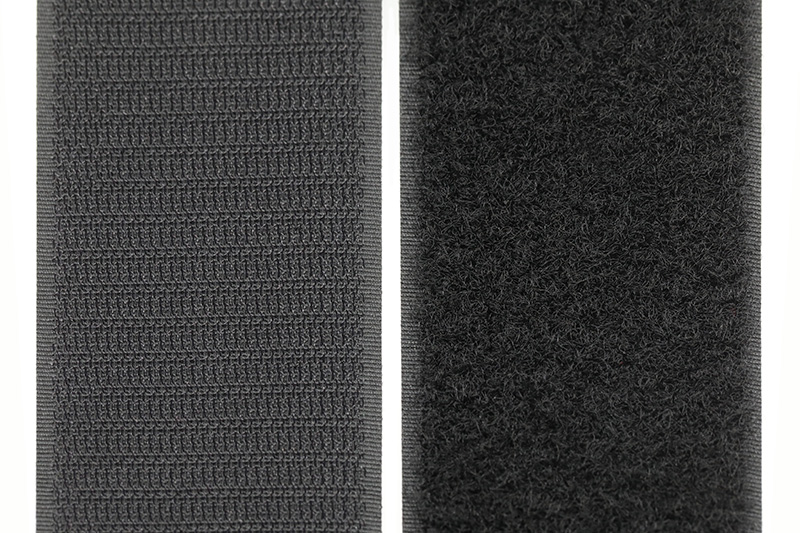
Adhesive-backed hook-and-loop fasteners fail most often because the mounting surface was not prepared, not because the fastener lost its grip. A hook-and-loop strip with a pressure-sensitive adhesive layer is only as strong as the surface it is pressed onto.
For a load-bearing installation, follow four steps:
- Clean the surface with isopropanol or a mild degreaser and let it dry completely.
- Lightly abrade painted or high-gloss surfaces with fine abrasive paper or a scouring pad.
- Wipe away the dust with a lint-free cloth so the surface is dry and free of particles.
- Press the fastener into place with firm, even pressure and allow the adhesive to cure before loading.
VEEZOT supplies all-nylon hook-and-loop fasteners that can be provided with an adhesive backing for mounting on clean, prepared surfaces. Engineers who want to compare materials and testing methods can read VEEZOT's guide to textile fasteners.
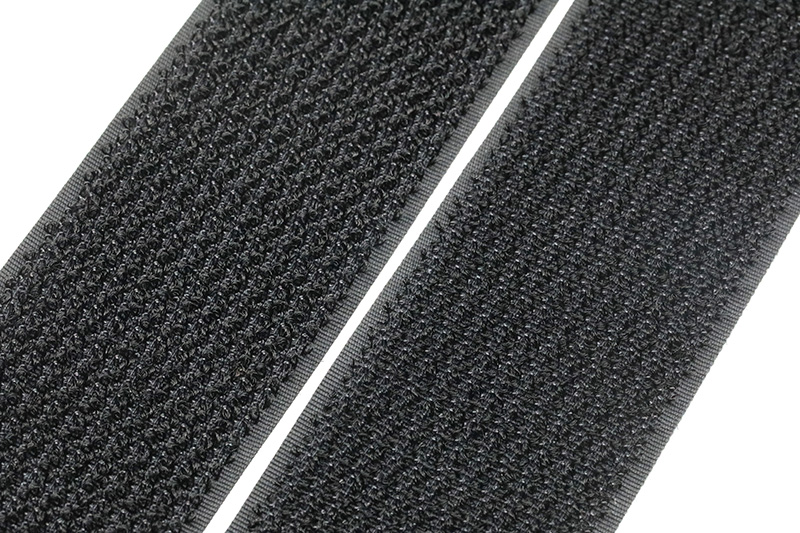
When a design makes a traditional loop side impractical, a self-fastening nylon hook-and-loop closes against itself instead of against a separate loop component; it still needs proper mounting, so the same cleaning and profiling steps apply.
How to Verify Surface Preparation Quality
A two-minute water test before bonding can prevent expensive failures. Place a few drops of water on the prepared surface: if the water beads up, contamination or low surface energy remains; if it forms a continuous film, the surface is ready.
For production approval, use quantitative checks. Peel and shear tests on standardized lap-shear coupons show the bond strength of the prepared surface; a water contact angle below about 20 degrees indicates excellent wettability; and short aging cycles at elevated temperature and humidity reveal weak boundary layers that an instant test would miss.
Bond as soon as possible after preparation. Freshly abraded metal can re-oxidize within hours, and hand-prepared surfaces pick up contamination quickly. If the joint is not bonded in the same shift, repeat the cleaning step before applying the adhesive.
Frequently Asked Questions
What happens if I skip surface preparation?
Bond strength can drop by 50 percent or more, and the failure often appears weeks later. The adhesive holds onto contamination rather than the substrate, so the joint can fail suddenly under load even though the adhesive is fully cured.
Can I prepare surfaces with solvent only?
Solvent removes oil and dust but does not increase surface area or surface energy. It is the essential first step; for load-bearing joints, follow it with abrasion, etching, or plasma activation.
How long can I wait between preparation and bonding?
Bond within the same working shift, ideally within a few hours. If the prepared surface is exposed to air, humidity, or handling for longer, repeat the cleaning and degreasing step before bonding.
Which hook-and-loop fastener is best for demanding industrial mounting?
For repeated, high-stress engagement, choose a product designed for heavy cycles. VEEZOT's VZ-35 extra-strong nylon injection molded hook-and-loop is engineered for that purpose, and the company's technical guide for PP and nylon injection molded hooks explains the design and material choices in detail.
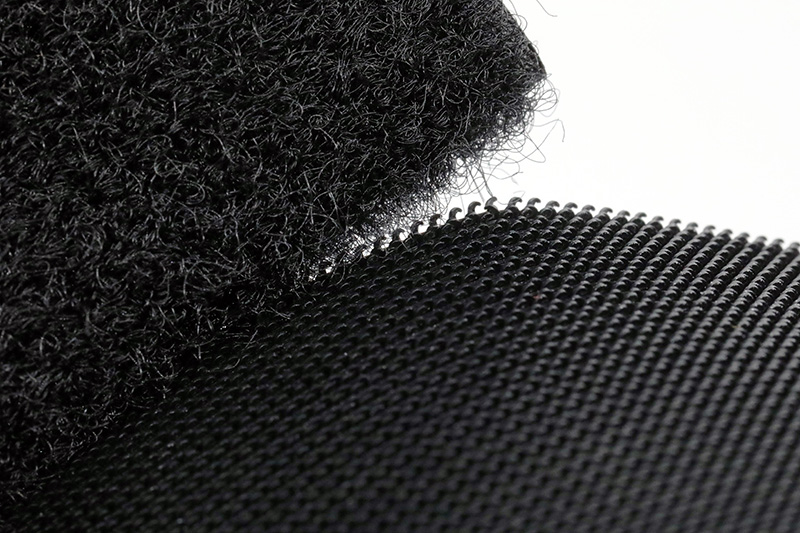
Surface preparation does not need to be complicated, but it must be deliberate. Clean the surface, create the right roughness, activate the chemistry, then bond quickly. Verify with a water test or a test coupon before production, and the same discipline that protects a structural metal bond will also protect an adhesively mounted hook-and-loop fastener.



