


 English
 Français

ISO 10993 is the international standard for biological evaluation of medical devices. The direct answer to the question "What is ISO 10993?" is: it is a globally accepted framework for assessing whether materials that contact a patient’s body are safe from a biological point of view. The standard’s central idea is that biological safety is not a universal checklist but a risk-management process. Manufacturers must map their device’s intended use, contact duration, and material chemistry, then run only the tests necessary to prove that the device will not cause adverse effects like cytotoxicity, irritation, sensitization, or systemic toxicity.
What Does ISO 10993 Cover?
ISO 10993 applies to any material or component in a medical device that has direct or indirect patient contact. This includes the device itself, but also packaging, accessories, and secondary components such as fasteners and adhesives. The series is organized into more than twenty parts that address different topics: testing, animal welfare, chemical characterization, evaluation endpoint selection, and even sample preparation.
In practice, the standard helps manufacturers make defensible decisions about which tests are actually needed for a given device. It does not force you to test everything; it forces you to think through what your device actually does inside or on a patient.
The ISO 10993 Standard Family
The most widely cited parts of the ISO 10993 series are:
- ISO 10993-1: Evaluation and testing within a risk management process – the umbrella guidance that defines the overall approach.
- ISO 10993-5: Tests for in vitro cytotoxicity – the first screening test for cell toxicity.
- ISO 10993-10: Tests for irritation and skin sensitization – relevant for devices in contact with broken or intact skin.
- ISO 10993-12: Sample preparation and reference materials – standardizes how you prepare test specimens.
- ISO 10993-17: Toxicological risk assessment – provides a framework for interpreting chemical characterization data.
- ISO 10993-18: Chemical characterization of materials – uses analytical chemistry to identify and quantify extractables.
Each part builds on the risk-management logic of Part 1. You do not need to run every test in the series; you need to run the ones that apply to your specific device.
ISO 10993-1 – Risk Management and Evaluation Endpoints
The first conclusion: ISO 10993-1 does not prescribe a single set of mandatory tests. Instead, it guides you through a risk management process that begins with a description of the device and its intended use. You then identify the materials that contact the patient and characterize the nature and duration of that contact. This determines which endpoints need to be evaluated.
| Contact type | Duration | Typical endpoints |
|---|---|---|
| Surface device: skin | Limited (<24 h), prolonged (24 h to 30 days), permanent (>30 days) | Cytotoxicity, irritation, sensitization |
| External communicating device: blood path | Limited | Cytotoxicity, hemocompatibility, systemic toxicity |
| Implant device: tissue or bone | Permanent | Cytotoxicity, sensitization, genotoxicity, implantation |
For each category, the standard asks you to perform a toxicological risk assessment to decide whether the endpoints need testing or whether existing data can be used.
Key Testing Methods Used in ISO 10993
Testing under ISO 10993 is not a single test but a family of analytical and biological methods. The most common tests include:
- Cytotoxicity tests (ISO 10993-5): evaluate whether extracts from the material cause damage to cultured cells.
- Irritation tests (ISO 10993-10): assess skin, eye, or mucosal irritation.
- Sensitization tests (ISO 10993-10): determine if the material causes an allergic reaction.
- Genotoxicity tests (ISO 10993-3): identify potential DNA damage.
- Hemocompatibility tests (ISO 10993-4): measure the effect on blood if the device contacts blood.
- Material characterization (ISO 10993-18): uses chemical analysis to identify extractable substances.
Which tests you choose depends on the risk assessment. For example, a skin-contacting bandage may only require cytotoxicity and irritation testing, while a blood-contact device needs hemocompatibility and genotoxicity testing.
ISO 10993 vs. ISO 18562 – What Is the Difference?
If your device delivers breathing gases or comes into contact with the respiratory tract, ISO 18562 may also apply. ISO 10993 focuses on biological risks from materials that touch tissue or blood. ISO 18562 deals specifically with the inhalation of exhaled breath and the biocompatibility of medical devices that deliver gases such as oxygen, anesthesia, or respiratory support. The two standards overlap in risk-management philosophy but differ in the pathways they evaluate.
| Aspect | ISO 10993 | ISO 18562 |
|---|---|---|
| Scope | Biological evaluation of medical devices in contact with tissue, blood, or body fluids | Biological evaluation of devices in the breathing gas pathway |
| Contact route | Skin, mucosa, tissue, blood | Inhalation of gas or vapor |
| Main endpoints | Cytotoxicity, irritation, sensitization, genotoxicity | Chemical emissions, leachables, particulate matter |
| Risk management | ISO 14971-based | ISO 14971-based |
Practical Considerations for Medical Device and Component Manufacturers
Even auxiliary components in a medical device can be subject to ISO 10993 requirements. A hook-and-loop fastener used on a wound dressing, surgical gown, or patient restraint is in direct contact with skin. In such cases, the fastener material must be non-cytotoxic, non-irritating, and chemically stable. If you are selecting a textile hook and loop for a medical application, the fiber grade and surface finish become part of the biological risk assessment.
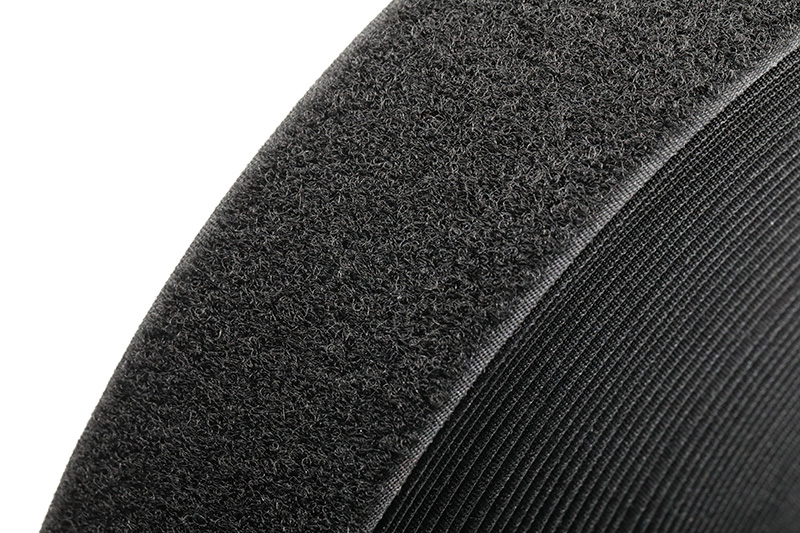
Flame-retardant nylon hook and loop is an example of a specialty material that addresses both regulatory and functional needs. In medical environments where fire resistance is a requirement, this material reduces the risk of ignition while maintaining the same fastening performance. It must still undergo the same biological testing as any other skin-contact material.
When Tear Resistance Matters
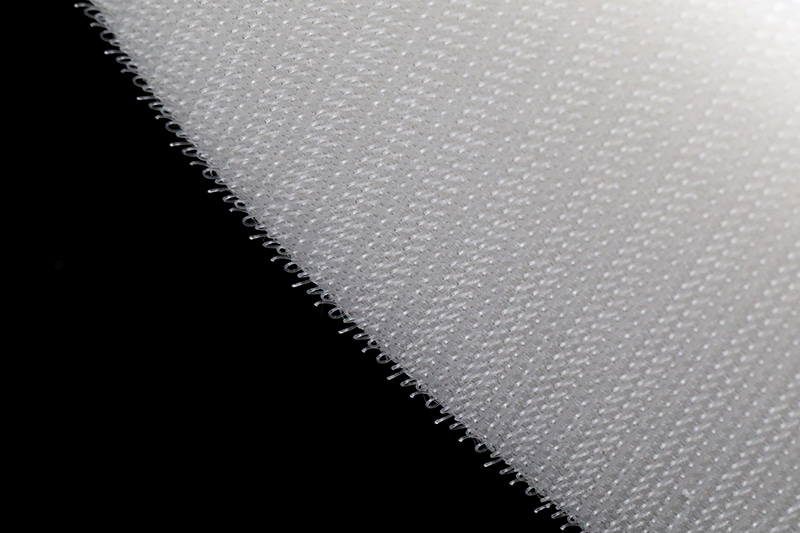
Devices that are subject to repeated movement or high retraction forces place stress on their fastening components. A tear-resistant nylon hook and loop prevents the fastener from failing during use, which is critical when a loose closure could compromise a sterile field or allow a device to dislodge. The material's mechanical durability must be balanced against its chemical profile to ensure that the risk assessment remains valid.
Assembly Efficiency and Self-Fastening Options
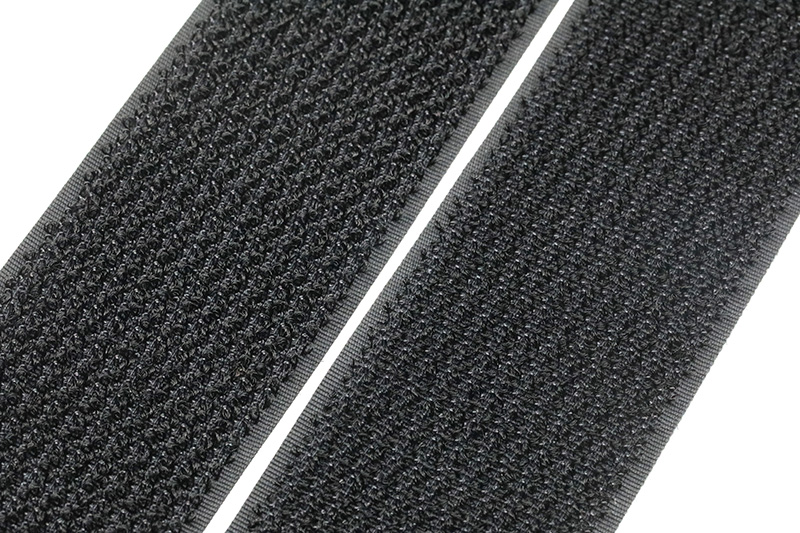
When assembly speed matters, self-fastening nylon hook and loop allows the operator to close the device without using a separate loop layer. That shortens production time and reduces the number of material components in the device, which can simplify the biological evaluation. At the same time, the closure mechanism still needs to be validated for cytotoxicity and irritation if it contacts skin.
Frequently Asked Questions About ISO 10993
Is ISO 10993 mandatory?
In many jurisdictions, it is effectively mandatory. The FDA and the EU MDR reference ISO 10993 as a recognized standard for demonstrating biological safety. If you are submitting a medical device for approval, you will typically need to provide a biological evaluation report that follows ISO 10993 logic.
Do I have to run all tests in the ISO 10993 series?
No. ISO 10993-1 requires you to select tests based on the risk assessment. A simple skin-contact device usually needs fewer tests than an implantable one. The standard explicitly encourages you to use existing data and justify any testing gaps.
How often should I re-evaluate a device under ISO 10993?
Whenever the material composition, manufacturing process, or intended use changes. Also, if new toxicological data becomes available, you should review your risk assessment. Changes in suppliers or processing agents can also invalidate previous biological evaluations.
What is the difference between ISO 10993 and biocompatibility?
Biocompatibility is the biological performance of a material within a living system. ISO 10993 is the standard that tells you how to evaluate that performance using a structured risk-based approach.
ISO 10993 is not a one-size-fits-all test battery. It is a risk-based roadmap for demonstrating that your device will not cause biological harm. The standard pushes you to think about the patient, the contact, and the chemistry before you spend money and time on testing. By following its logic, you can build a defensible biological safety file that supports your regulatory submissions. For component manufacturers, understanding the standard ensures that your products can be used with confidence in medical applications.



