


 English
 Français


High surface energy plastics are materials whose surfaces wet easily and form strong bonds with adhesives, inks, and coatings. In practice, that means nylon, ABS, polycarbonate, acrylic, and PET usually accept glue, print, and labels without special treatment, while polypropylene, polyethylene, and PTFE often need surface activation first. Surface energy is measured in dyn/cm, or mN/m. The practical cutoff for reliable adhesive wetting is often around 38 to 40 dyn/cm, though adhesive chemistry, surface contamination, and process conditions shift that number. If you are selecting a plastic for a bonded assembly, a welded hook-and-loop fastener, or a printed component, this single property can decide whether your line runs smoothly or fights every part.
The confusion is understandable because surface energy is not the same as roughness, hardness, or chemical resistance. A plastic can feel slick and still have high surface energy. What matters is whether a liquid droplet spreads or beads up on the surface. For buyers and product engineers, that difference shows up as peel strength, ink adhesion, weld quality, and reject rates.
What Surface Energy Actually Measures
Surface energy describes how readily a liquid spreads on a solid, not how sticky a plastic feels. When a liquid’s surface tension is lower than the plastic’s surface energy, the liquid wets the surface and spreads into a thin, continuous film. When the plastic’s surface energy is too low, the liquid beads up and leaves voids at the interface. Those voids become weak spots in an adhesive bond or a printed image.
Three practical points follow from that definition:
- High surface energy helps adhesives, inks, and coatings make intimate contact with the plastic.
- Contact angle is the visual clue: a low contact angle means good wetting; a high contact angle means poor wetting.
- Dyne pens and contact-angle meters are common shop-floor checks because they reveal the effective surface energy after molding, handling, and storage.
For hook-and-loop fasteners, the same principle applies to the backing adhesive, the printed logo, and any coating applied to the tape or hook. A nylon hook may bond cleanly with a standard pressure-sensitive adhesive, while a polypropylene hook may need a primer or plasma treatment to reach the same peel strength.
Which Plastics Have High Surface Energy?
Nylon, ABS, polycarbonate, acrylic, and PET are common high surface energy plastics, while PP, PE, and PTFE sit at the low end. The table below gives approximate virgin-resin values at room temperature. Additives, mold release agents, and surface contamination can lower the effective value significantly.
| Plastic | Typical surface energy (dyn/cm) | Wetting behavior | Practical effect |
|---|---|---|---|
| Nylon 6/6 | 46 | Wets readily | Easy to bond, print, and coat; common in textile hook-and-loop |
| ABS | 42–45 | Good wetting | Reliable adhesive bonding and printing |
| Polycarbonate | 42–44 | Good wetting | Bonds well, but some solvents can cause stress cracking |
| Acrylic | 38–40 | Moderate to high | Good for adhesives and labels; clean surface is important |
| PET | 41–43 | Good wetting | Common in labels and laminates; sensitive to dust and oils |
| Rigid PVC | 39–42 | Moderate to high | Bonds well when plasticizer migration is controlled |
| Polypropylene (PP) | 29–31 | Low wetting | Often needs plasma, flame, or primer before bonding |
| Polyethylene (PE) | 30–31 | Low wetting | Difficult to bond without surface treatment |
| PTFE | 18–20 | Very low wetting | Special chemical etching or plasma required |
Why High Surface Energy Plastics Are Easier to Bond, Print, and Weld
High surface energy plastics are easier to bond, print, and weld because liquids and adhesives spread instead of beading. That spreading action increases the contact area between the adhesive and the plastic, which raises initial tack and final peel strength. In printing, it prevents ink from crawling and producing pin holes or weak color density.
Welding is a related but distinct case. High surface energy is not the same as weldability, because welding depends on melting behavior, molecular structure, and moisture content. Still, many high surface energy plastics such as nylon and ABS are also polar and respond well to ultrasonic or high-frequency welding when they are dry and clean. Nylon, for example, can absorb moisture, so drying before welding is often more important than the dyne value alone.
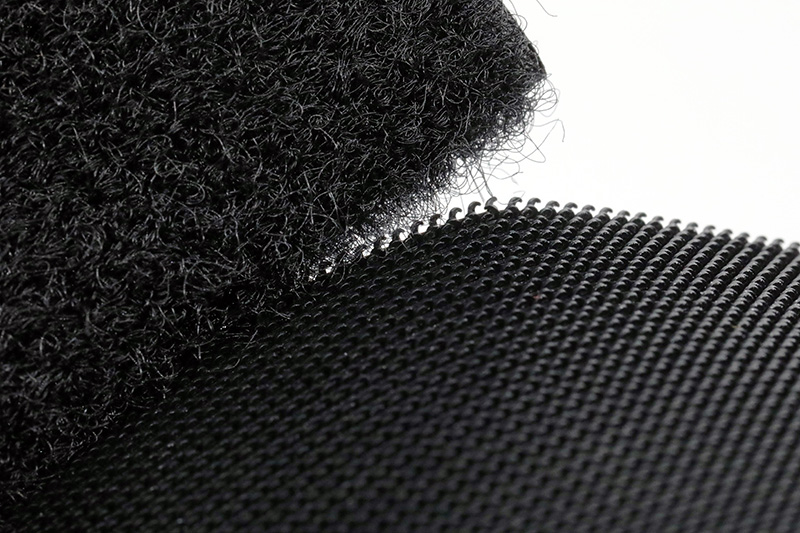
For injection-molded hook-and-loop fasteners, the material choice affects both the molding process and the downstream assembly. A nylon injection hook such as the VZ-35 extra-strong nylon hook-and-loop product is designed around a high surface energy resin, which helps when the hook is bonded to a substrate or overmolded into a larger part. The same logic applies to the loop side: a nylon loop accepts adhesive more consistently than a PP loop.
Where High Surface Energy Matters in Hook-and-Loop Fastening
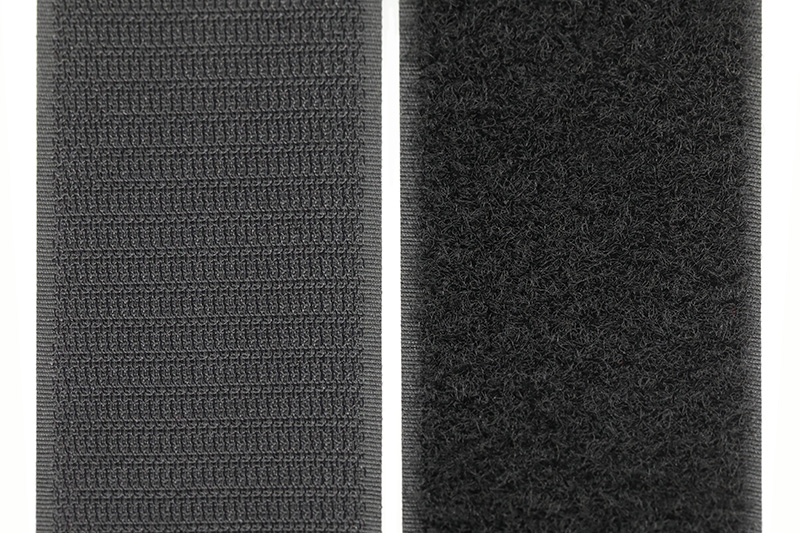
High surface energy matters in hook-and-loop fastening because most fasteners are either adhered, sewn, or welded to another material, and the plastic hook or loop must accept the chosen joining method. Nylon hook-and-loop is the benchmark for high surface energy: it wets well with water-based and solvent-based adhesives, accepts printing, and can be laminated to foam, fabric, or plastic substrates.
Polypropylene injection-molded hooks are a different story. They are tough, chemical-resistant, and low cost, but their low surface energy makes them harder to bond with standard adhesives. A converter may need plasma treatment, flame treatment, or a primer before applying a pressure-sensitive adhesive. If the same PP hook is welded rather than glued, the surface energy issue becomes less important, but the welding window and part design become critical.
This is why a hook-and-loop supplier should ask about the substrate and joining method, not just the hook type. A nylon textile hook-and-loop may be the best fit for an apparel closure that is sewn, while a PP injection hook may be the best fit for a reusable crate that is mechanically attached. VEEZOT’s product range spans both directions: textile hook-and-loop in nylon, polyester, and blends, plus PP and nylon injection-molded hooks for different assembly methods. For a deeper discussion of resin selection and molding parameters, see the PP/nylon injection molded hook design guide.
In specialty applications, high surface energy also affects flame-retardant, weldable, and tear-resistant fasteners. A flame-retardant nylon hook may still need a clean surface before adhesive lamination, because the flame-retardant additives can migrate to the surface. A high-frequency weldable nylon hook is selected for its dielectric response, but the surface must be free of mold release and moisture for a consistent weld.
Surface Treatment Options When Surface Energy Is Too Low
When surface energy is too low, plasma, flame, corona, and chemical primers are the usual ways to raise wetting without changing the bulk plastic. High surface energy plastics often need none of these steps, which is why they are preferred for adhesive-heavy assemblies. The choice of treatment depends on part geometry, production speed, and how long the activated surface must remain effective.
| Method | Best for | Typical effect | Limitations |
|---|---|---|---|
| Plasma treatment | Complex 3D parts, PP, PE, PTFE | Raises surface energy; can be highly uniform | Batch or inline equipment cost; effect can fade over time |
| Flame treatment | Flat sheets, films, and some molded parts | Fast oxidation of the surface; good for high line speeds | Risk of warping or burning; requires careful control |
| Corona treatment | Films and thin webs | Raises dyne level for printing and coating | Mostly limited to flat, thin materials |
| Chemical primer | Repair, low-volume, or field bonding | Improves adhesive wetting and bond strength | Solvent handling, drying time, and inconsistent application |
| Mechanical abrasion | Thick parts, secondary bonding | Increases roughness and removes surface layers | Does not raise surface energy; can embed contamination |
For weldable fasteners, surface treatment is usually not the primary concern, but cleanliness is. A high-frequency nylon weldable hook-and-loop product is designed to bond to a compatible plastic substrate under heat and pressure. If the surface is contaminated with mold release or hand oils, the weld may appear acceptable but fail in peel or shear later.
How to Specify and Verify High Surface Energy Plastics in Production
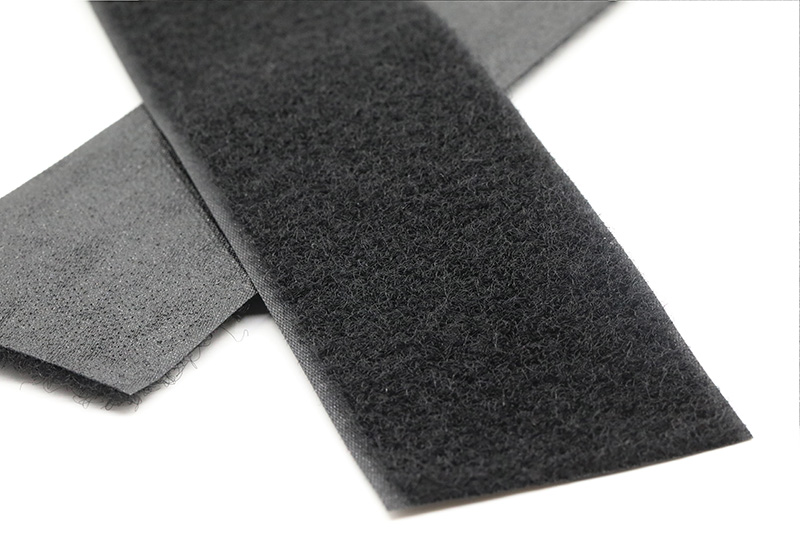
Do not rely on a resin data sheet alone; verify the effective surface energy of the molded part before bonding, printing, or welding. The data sheet value applies to virgin resin, not to a part that has seen mold release, manual handling, or weeks of storage. A practical specification should include surface energy range, test method, and acceptance criteria.
- Define the required dyne level or contact angle for the actual adhesive, ink, or coating. A common starting point is 38 dyn/cm or higher for standard pressure-sensitive adhesives.
- Test incoming resin and molded parts with dyne pens or a contact-angle meter. Record the test location, because gate areas and flow lines can vary.
- Control mold release agents and lubricants. Silicone and fluoropolymer releases can lower surface energy even on nylon or ABS.
- Set a shelf-life or re-treatment rule if the surface is activated by plasma or flame. Treatment effects can decay over days or weeks.
- Confirm with a functional test: peel strength for adhesives, tape test for printing, or weld strength for high-frequency and ultrasonic joints.
For textile fasteners, the same verification applies to the backing adhesive and the hook surface. A supplier that understands fiber type, dyeing, and finishing can help isolate whether a bond failure comes from the plastic, the adhesive, or the process. VEEZOT’s textile fastener range and its textile fastener guide are useful starting points when matching a fastener to a high surface energy plastic.
Practical Selection Matrix for Bonding and Fastening
Use the matrix below to shortlist materials and joining methods before you commit to a tool or an adhesive. The best choice is often the one that avoids surface treatment while still meeting peel, shear, and durability requirements.
| Application | Recommended plastic | Surface energy level | Joining method | Watch point |
|---|---|---|---|---|
| Apparel closure | Nylon textile hook-and-loop | High | Sewn or adhesive-backed | Dye and finish can affect adhesive wetting |
| Reusable packaging | PP injection hook | Low | Mechanical attachment or plasma + adhesive | Low surface energy; verify dyne level after treatment |
| Automotive interior trim | ABS or PC substrate with nylon hook | High | Pressure-sensitive adhesive | Clean surface; avoid silicone contamination |
| Medical or hygiene product | Nylon or PET hook-and-loop | High | Adhesive or ultrasonic weld | Validation and shelf-life of treated surfaces |
| Flame-sensitive enclosure | Flame-retardant nylon hook | High | Adhesive or mechanical | Additives may migrate; test actual part |
| High-frequency welded assembly | Weldable nylon hook-and-loop | High | HF welding | Dry resin; clean tooling; consistent pressure |
FAQ
Are all nylons high surface energy plastics?
Most clean, virgin nylon 6 and nylon 6/6 grades have high surface energy, but additives, moisture, and mold release can reduce the effective value. Always test the molded part, not just the resin pellet.
Can polypropylene be made high surface energy?
Yes, plasma or flame treatment can raise PP’s surface energy enough for bonding, but the effect is temporary. If the bonded part sits in storage for weeks, the treatment may need to be repeated or the adhesive may need a primer.
How do I test surface energy on the production floor?
Dyne pens are the fastest check: a liquid with a known surface tension is applied, and the wetting behavior is observed. Contact-angle measurement gives a more quantitative result, and peel testing confirms the actual bond performance.
Does high surface energy guarantee a strong bond?
No. Adhesive chemistry, surface cleanliness, joint design, and cure conditions all matter. High surface energy removes one common obstacle, but it does not replace a controlled bonding process.
High surface energy plastics reduce process risk because they allow adhesives, inks, and coatings to do what they are designed to do: wet out, spread, and hold. When a project involves hook-and-loop fasteners, the material choice should match the joining method. Nylon and other high surface energy plastics are often the simpler path for adhesive-backed or printed parts, while PP and PE may be the right choice when chemical resistance or cost matters more than bondability. The practical step is to specify the surface energy requirement, verify it on real parts, and keep the joining method and the plastic selection aligned from the start.



